Introduction
Fencing serves several purposes in property and business properties, from defining limits to providing security and privacy. But have you ever thought about the ecological effect of the various types of fences? In Melbourne, the choice of fencing materials and styles can considerably affect not just looks but also ecology. This article delves into the environmental ramifications of various fence types frequently seen across Melbourne, illuminating how your choice impacts local ecosystems and sustainability.
The Environmental Impact of Different Fences in Melbourne
When pondering a new fence setup, it's vital to look beyond simple aesthetic appeals or function. The environmental impact is a critical aspect that is worthy of consideration. In this section, we will check out how numerous fencing materials impact our environment.
1. Timber Paling Fences: Pros and Cons
Timber paling fences are common in Melbourne's residential areas. They provide a rustic beauty while being relatively affordable. Nevertheless, lumber production poses numerous environmental concerns.
1.1 Sustainability of Lumber Sources
The main interest in timber paling fences is sustainability. While some lumber originates from properly managed forests, a substantial quantity is sourced from deforested locations, leading to habitat destruction.
1.2 Carbon Footprint
Timber soaks up co2 during its development stage, serving as a carbon sink. Nevertheless, once gathered and processed into fencing product, its carbon footprint increases due to transportation and production processes.
2. Colorbond Fences: An Eco-Friendly Alternative?
Colorbond fences have actually gotten appeal due to their sturdiness and variety of colors. However are they environmentally friendly?
2.1 Material Composition
Colorbond fences are made from steel coated with zinc and paint, which suggests they require significant energy for production. Nevertheless, they can be recycled at the end of their life cycle.
2.2 Longevity
One advantage of Colorbond is its durability compared to timber alternatives. A longer lifespan equates to less regular replacements, minimizing waste over time.
3. Aluminium Blade Fences: Lightweight Yet Impactful
Aluminium blade fences offer a sleek contemporary look but included their own set of ecological considerations.
3.1 Resource Extraction
The extraction procedure for aluminium can be environmentally damaging due to habitat disturbance and energy usage involved in mining bauxite ore.
3.2 Recyclability
On the upside, aluminium is highly recyclable without quality deterioration, making it an exceptional alternative for sustainable fencing when properly disposed of.
4. Aluminium Slat Fences: Modern Design Fulfills Functionality
Aluminium slat fences are progressively popular among property owners looking for modern-day looks without jeopardizing on functionality.
4.1 Environmental Footprint
While the production procedure shares similarities with other aluminium items, slat styles typically utilize less material than solid counterparts, which could lessen resource consumption overall.
4.2 Maintenance Needs
These fences need minimal upkeep compared to lumber options-- conserving both time and resources throughout their lifespan.
5. Tubular Metal Fences: Security with Style
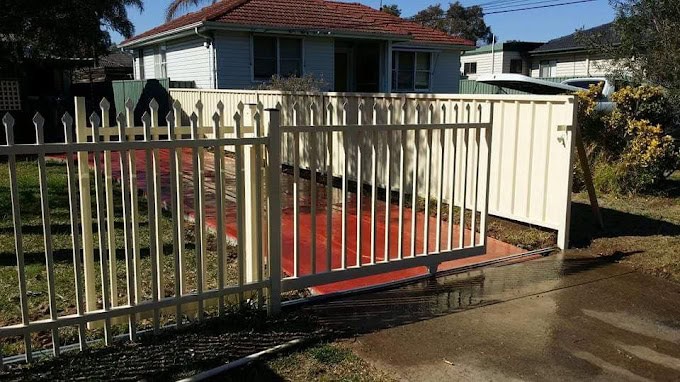
Tubular metal fences offer security without sacrificing visual appeal; nevertheless, they raise concerns about their environmental impact.
5.1 Energy-Intensive Production
The manufacturing procedure for tubular metal can be energy-intensive but comparable to other metals; these structures frequently last longer than wood or vinyl alternatives.
5.2 Recycling Potential
Like other metal items, tubular metal can be recycled effectively at the end of its life process-- an essential element when considering long-lasting sustainability.
6. Picket Fences: Nostalgia or Neglect?
Picket fences evoke fond memories however might include surprise ecological costs.
6.1 Material Choices Matter
Traditional wooden picket fences might include unsustainable wood sourcing practices; selecting treated or composite materials may mitigate these concerns significantly.
6.2 Upkeep Implications
Wood requires regular upkeep (painting/staining), requiring extra resources with time that contribute further to its eco-friendly footprint.
7. Glass Fences: A Clear Perspective on Sustainability
Glass swimming pool fencing has actually ended up being fashionable for its visual appeal; nevertheless, it's worth examining its sustainability qualifications closely.
7.1 Resource-Intensive Production Process
The creation of glass involves substantial energy consumption throughout production; so far less companies provide environmentally friendly glass solutions in Melbourne's market today.
7.2 Durability Factor
Glass provides durability versus weather condition aspects while providing unblocked views-- nevertheless it is necessary to consider disposal issues at end-of-life cycles given that glass can be challenging to recycle completely without specialized centers offered nearby!
8: Pool Fences: Safety vs Environmental Concerns
Pool safety regulations mandate particular kinds of fencing around pools-- and numerous property owners may wonder about possible ecological impacts associated with this necessity?
8:1 Option Matters!
Choosing sustainable materials like recycled aluminum or bamboo can help balance safety requirements along with decreasing unfavorable effects on our environment!
9: Privacy Fences: Balancing Privacy and Sustainability
Privacy is vital for many Melbourne homeowners-- however how do various materials stack up environmentally?
9:1 Sustainable Alternatives Exist
Opting for natural products such as bamboo rather than conventional lumber provides greater sustainability benefits while preserving preferred levels privacy within outdoor spaces!
(Continue this format for each subsequent area heading.)
FAQs
Q1: What is the most environment-friendly type of fence in Melbourne?
A: Typically speaking, bamboo or recycled composite materials tend to have better sustainability profiles compared to standard lumbers or metals-- making them ideal options for environmentally-conscious homeowners!
Q2: For how long do Colorbond fences generally last?
A: With proper setup & & upkeep practices observed-- they can last up-wards 30 years-- using resilience that offsets preliminary resource expenses incurred throughout production stages as well!
Q3: Are there any regulations I should know before installing a fence?
Q4: Can I recycle my old fence?
A: Depending upon product structure-- you may discover recycling options offered! For example metals like color-bonded steel or aluminum blades are normally accepted at scrap lawns-- however always double-check guidelines ahead of time just ensure compliance!

Q5: Is it worth investing more cash into environment-friendly fencing https://josueigpr499.lucialpiazzale.com/revamp-your-outside-space-with-modern-fencing-in-melbourne solutions?
A: Absolutely! Although upfront costs might appear higher-- long-lasting benefits connected with lowered upkeep needs & & decreased ecological footprints ultimately make them worthwhile financial investments overall!
Q6: What should I think about when hiring fence builders in Melbourne? A: Keep an eye out accreditations related sustainable practices together with experience working particular types chosen products so guarantee quality installations provided align expectations outlined initially throughout project scope undertaken!
Conclusion
In conclusion, when thinking about "The Ecological Impact of Different Fences in Melbourne," it's clear that your option carries weighty consequences-- not simply aesthetically however environmentally too! By comprehending the nuances surrounding different fencing alternatives-- from timber paling fences through aluminum slats-- you empower yourself towards making notified choices reflective not exclusively personal choices however likewise more comprehensive neighborhood objectives concerning sustainability efforts needed protect our stunning world long-term!
As you navigate through your choices for fencing contractors in Melbourne consider not just what looks great within your property lines however likewise believe seriously about lasting ramifications options hold future generations ahead-- they depend us making accountable choices today!